Korea, through K-drama.
The real history and society behind your favorite Korean dramas — explained for global viewers. Each post starts from a single scene, then opens it into Korean history, society, and Confucian culture, East and West.
Explore by era
The K-Drama History Timeline
Every drama we cover, placed on one scroll — from Gojoseon to today, with what the rest of the world was doing at the same moment.
Open the timeline →136dramas
2,300+years
Browse by theme
All posts → Power & Politics 26 posts Women’s Lives 21 posts Modern Korea 16 posts War & Resistance 14 posts Status & Class 11 posts Belief, Death & the Uncanny 15 posts Knowledge & Science 14 posts Confucian Life & Ritual 5 posts
Start here
-
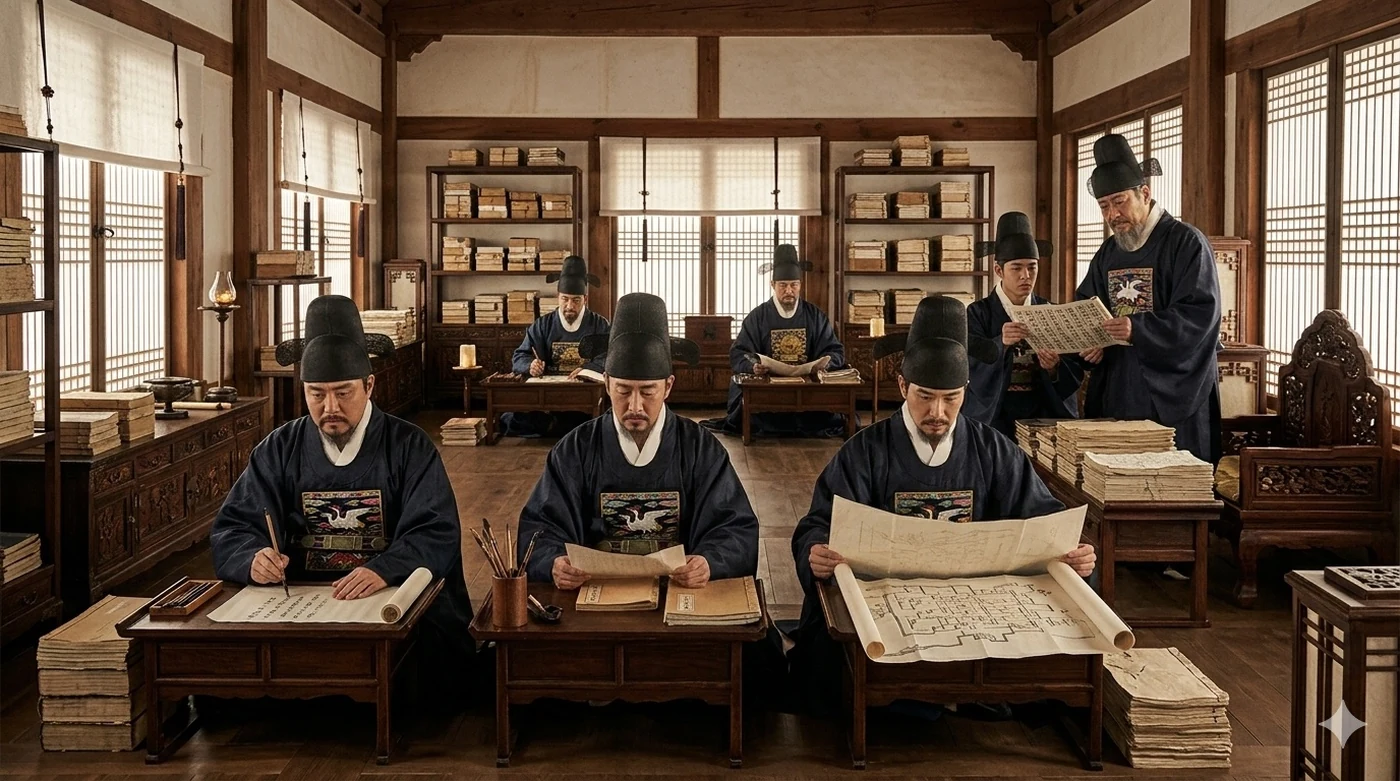 Why Did King Sejong's Own Scholars Try to Block Hangul? Tree with Deep Roots & the Politics of Korean Literacy, Explained
 -
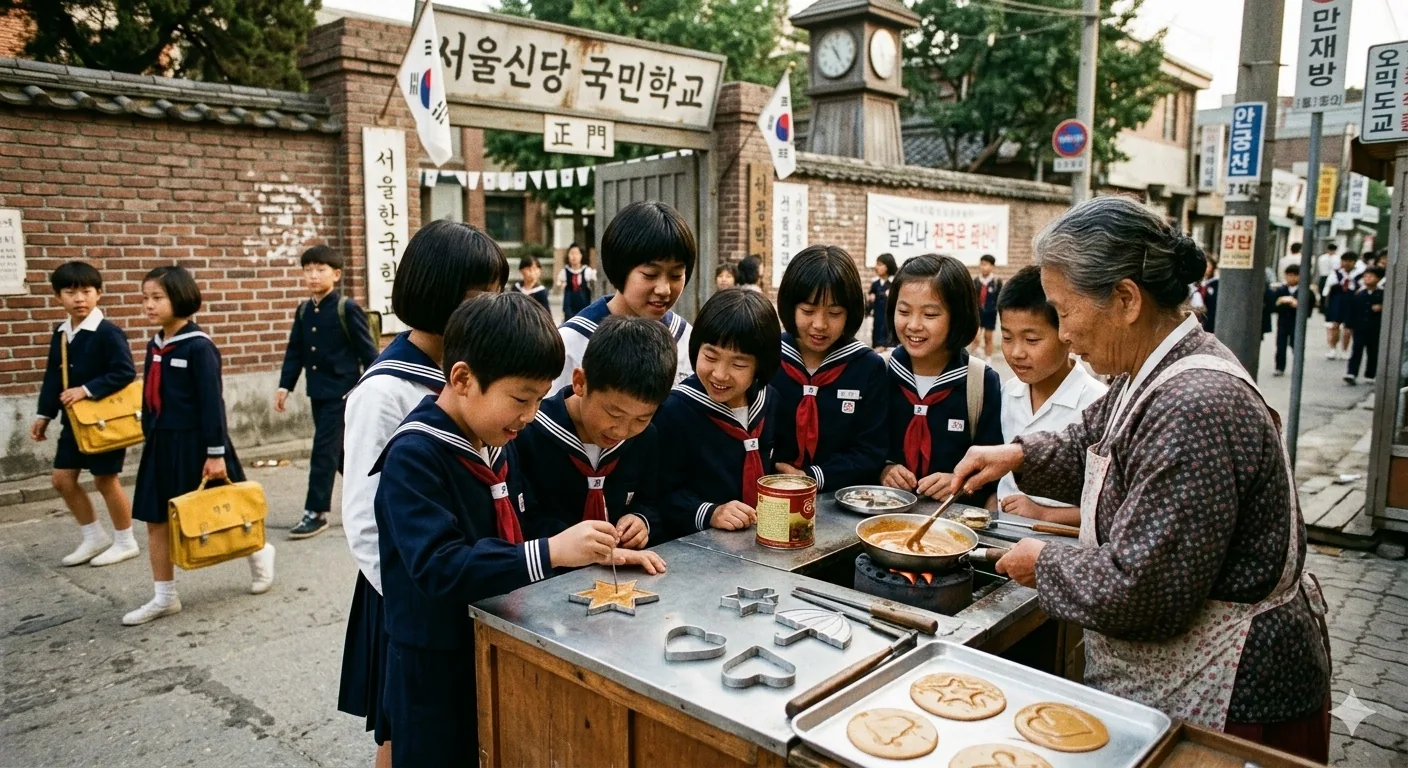 Squid Game's Dalgona Candy, Explained: The Real Korean Childhood Game Turned Deadly
 -
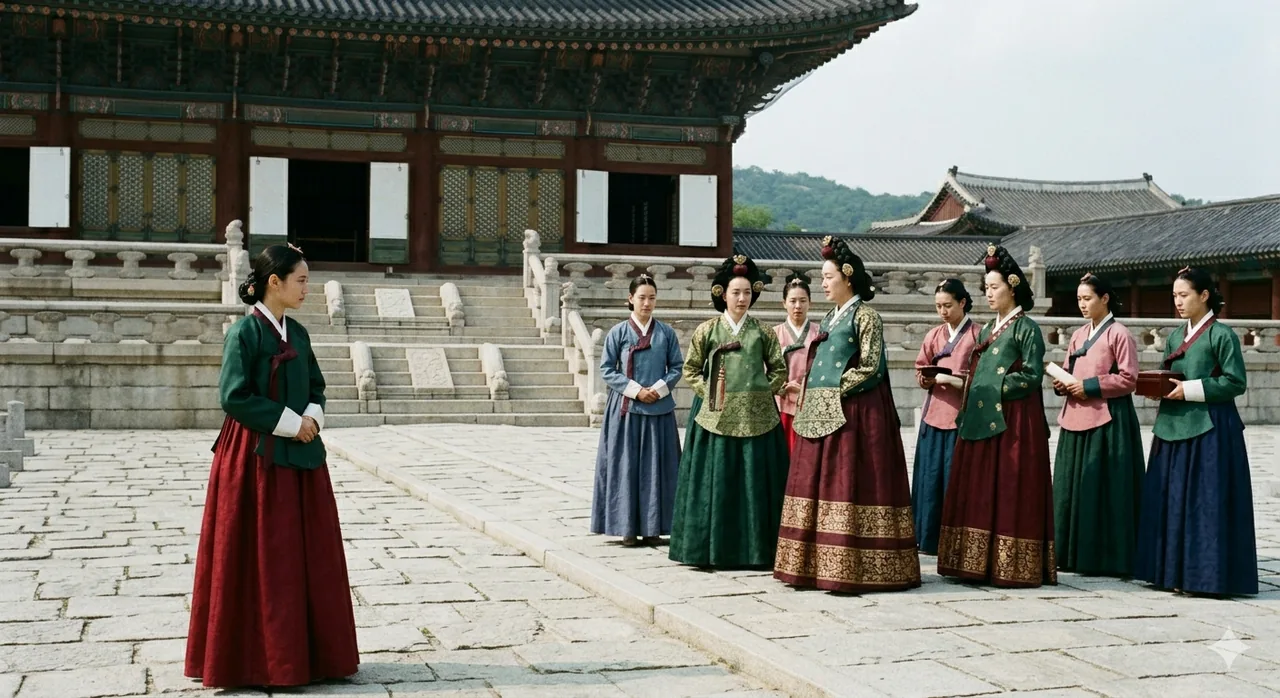 The Red Sleeve, Explained: Why Did Seong Deok-im Refuse King Jeongjo?
Latest
All posts →-
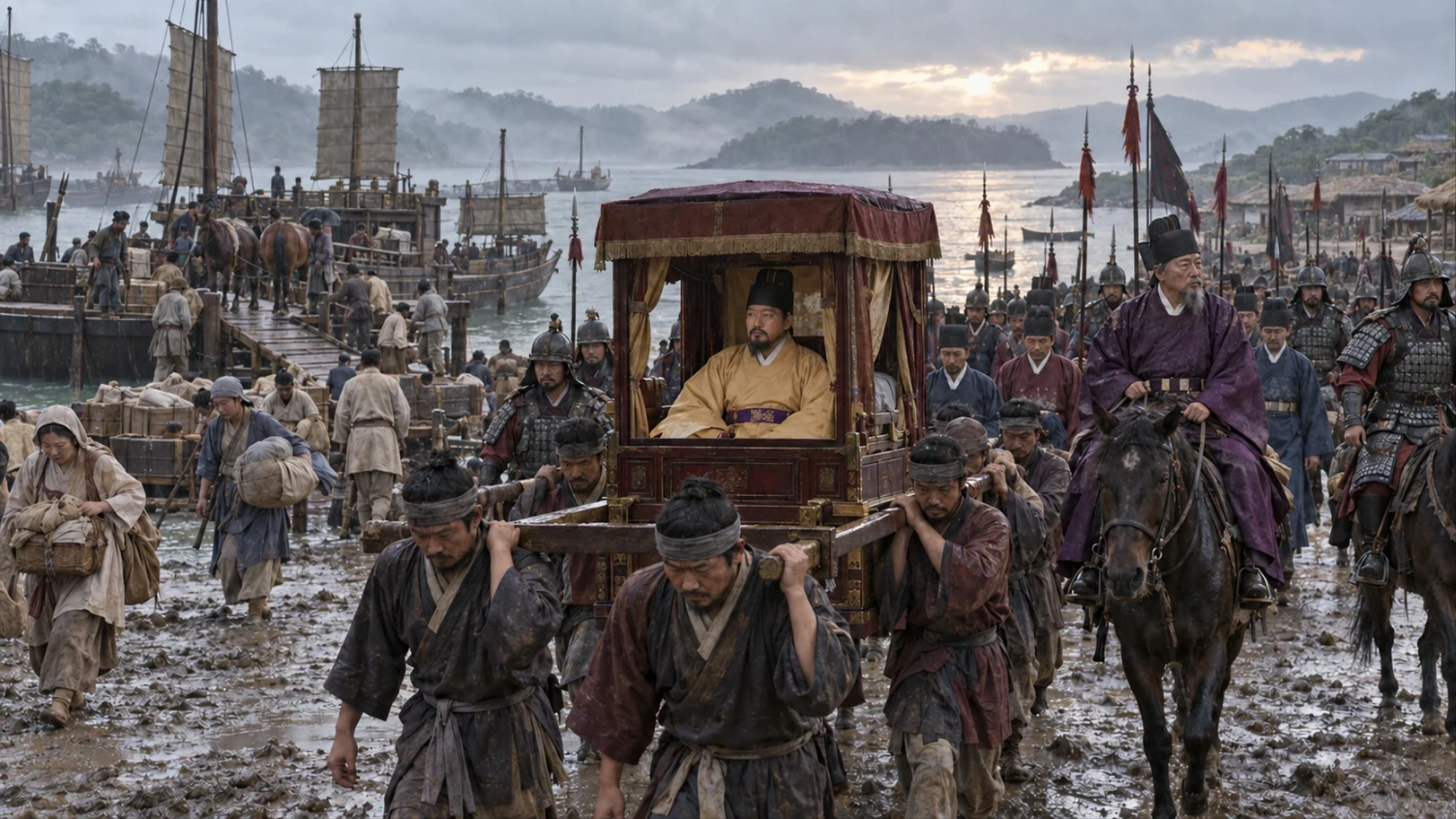 Warrior K (무신), Explained: Why Did Goryeo Move Its Capital to an Island — and Who Made the Decision?
 -
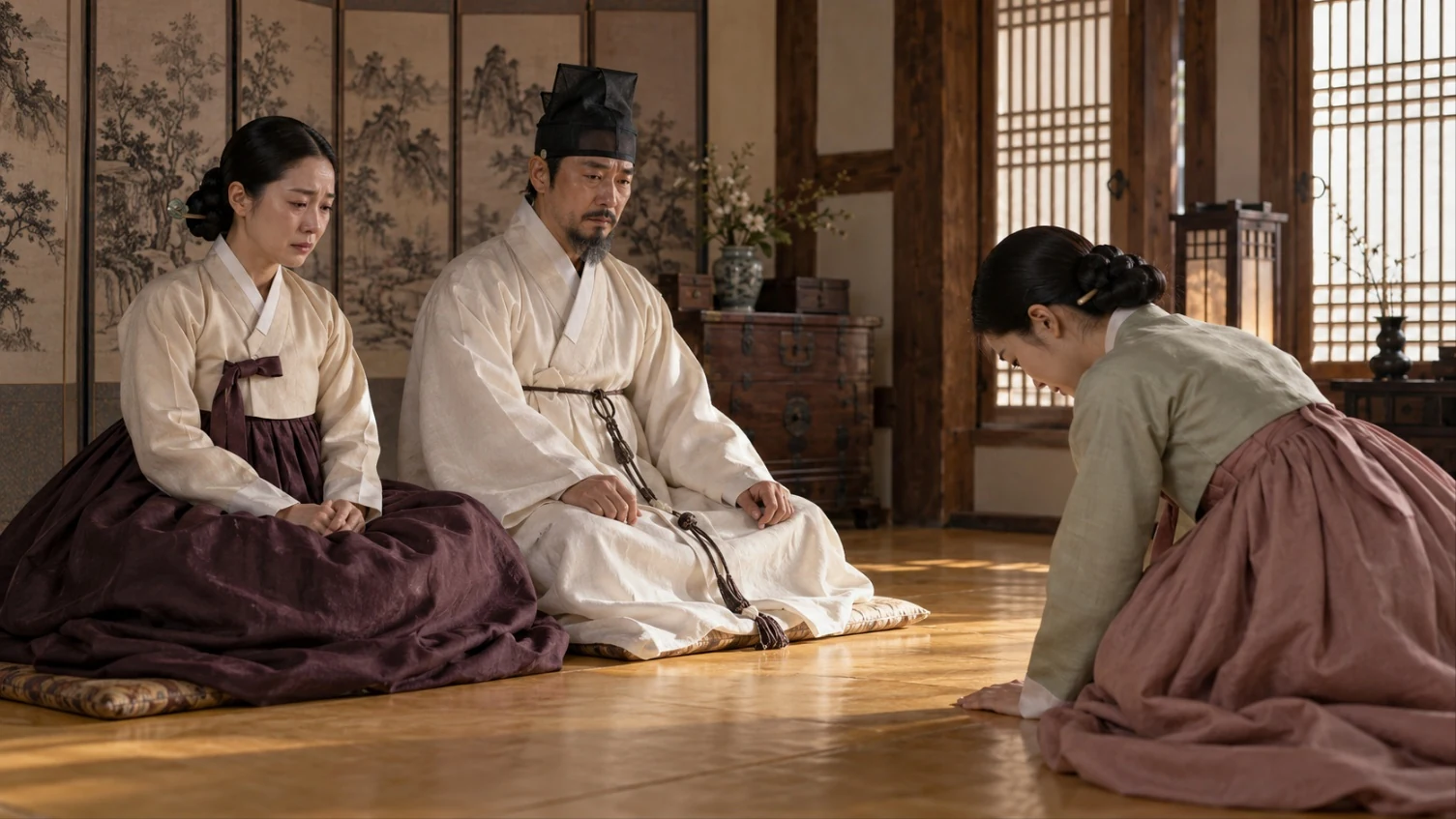 The Scandal, Explained: Why a Joseon Household Took In a Concubine for an Heir — and Why Her Son Might Never Become One
 -
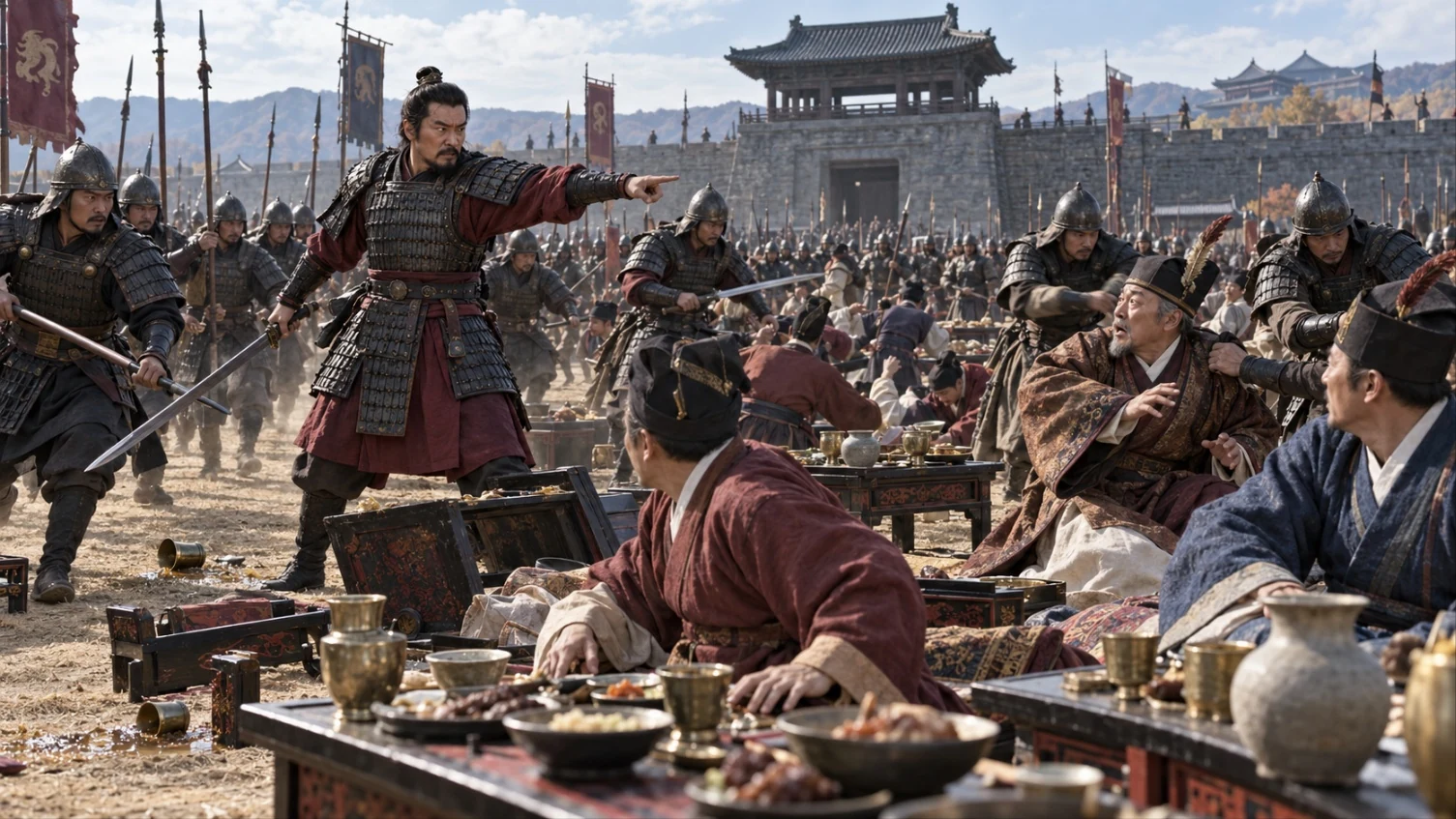 The Great Battle, Explained: Was Yeon Gaesomun a Villain or a Defender of Goguryeo?
 -
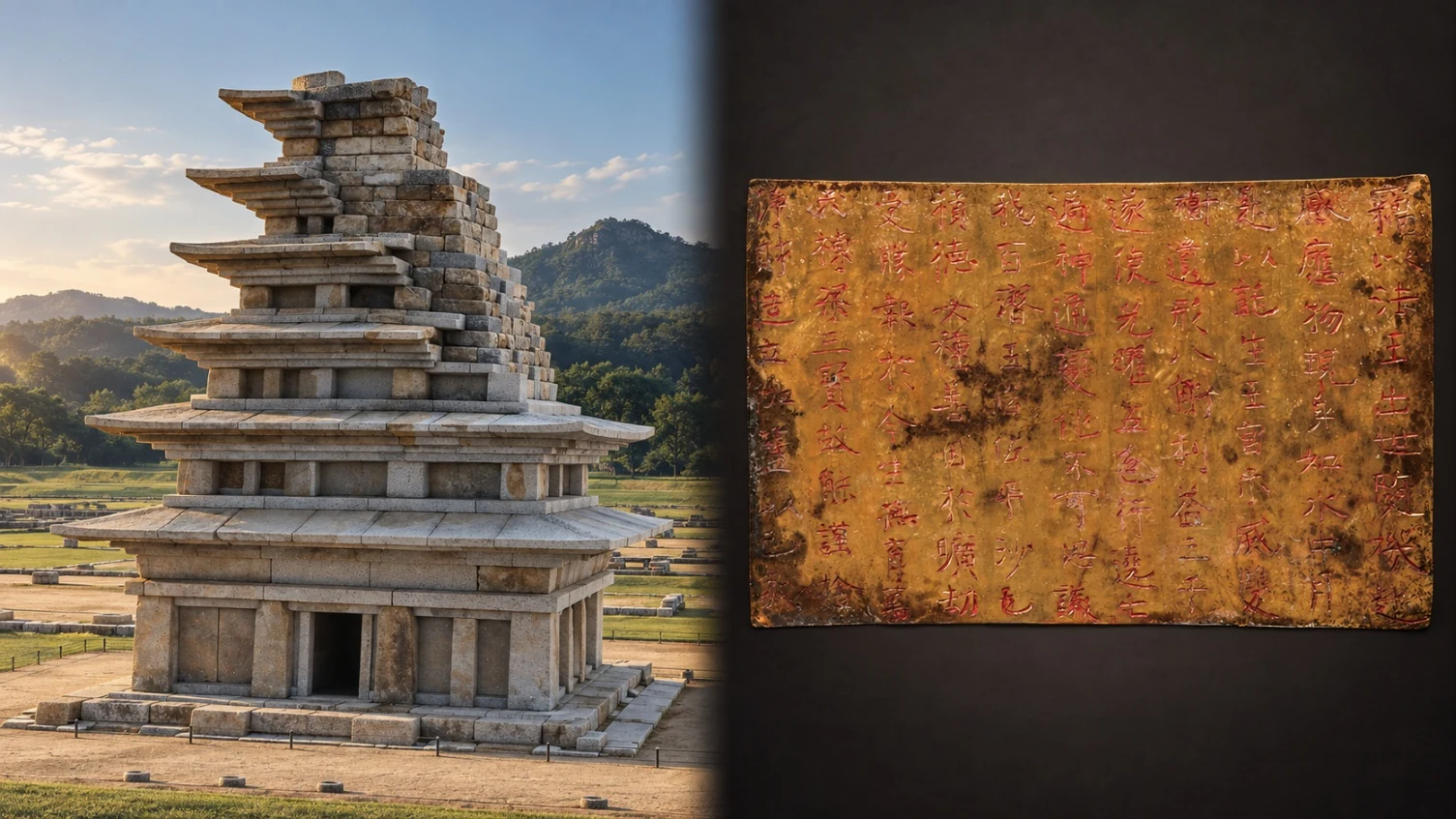 Gyebaek, Explained: The Mireuksa Gold Plate That Named a Different Queen Than Seonhwa
 -
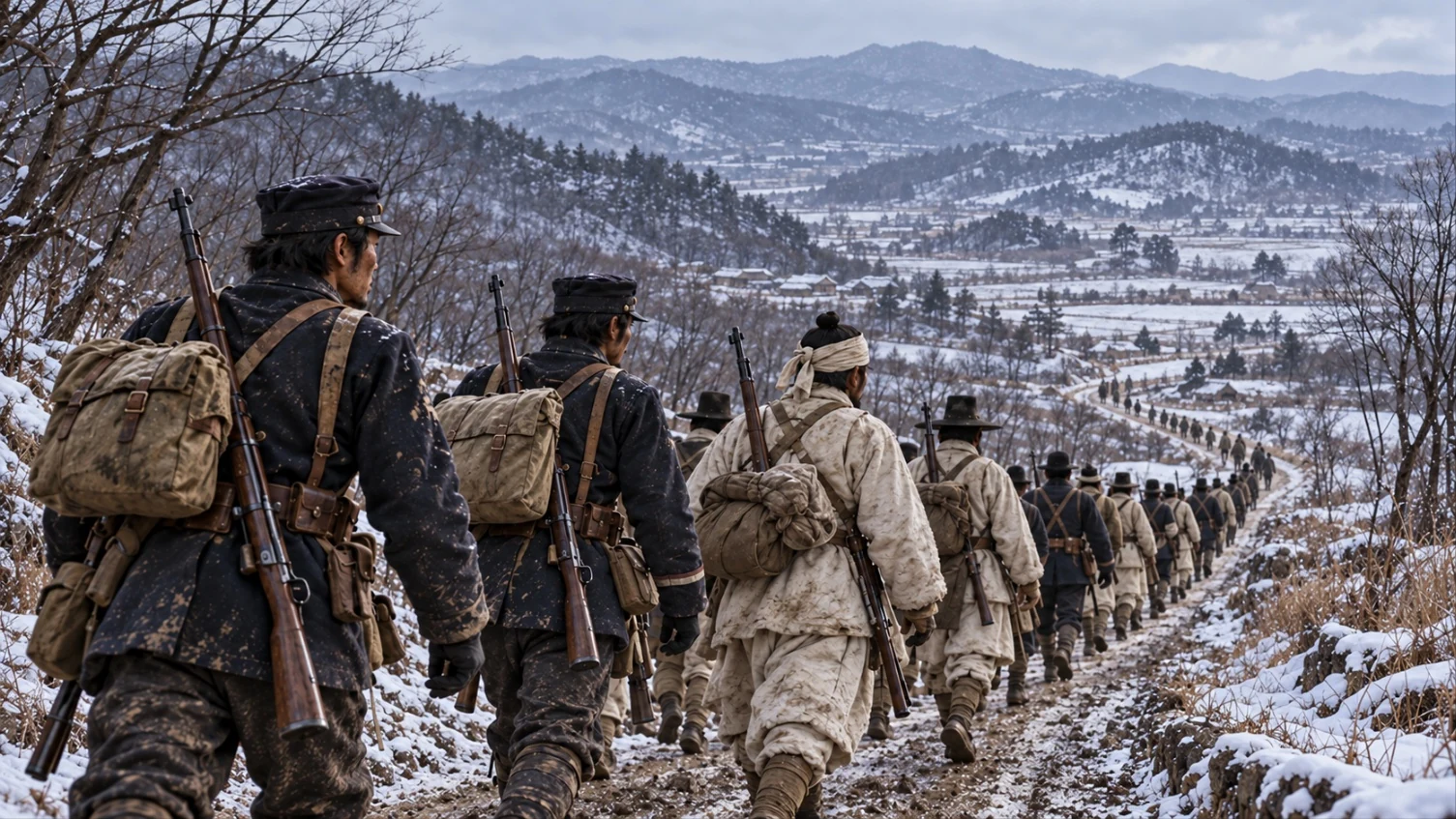 Why Was Korea's Righteous Army Called a "Mob"? The Real History Behind Mr. Sunshine
 -
 Why Does Woo Young-woo Trust Gimbap? The Changing History of Korea's Roll